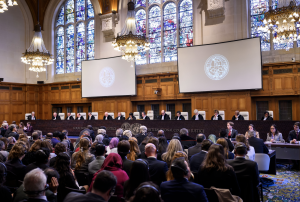
Rebooting the Definition of Genocide
By: Prof. William A. Schabas, OC MRIA November 24, 2026: The Genocide Convention is alive and well. On November 19, 2026, it received a huge dose of adrenaline from the International Court of Justice (ICJ).

By: Prof. William A. Schabas, OC MRIA November 24, 2026: The Genocide Convention is alive and well. On November 19, 2026, it received a huge dose of adrenaline from the International Court of Justice (ICJ).
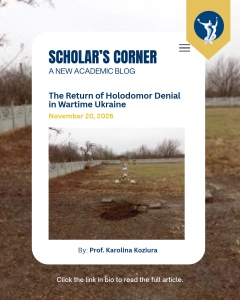
By Karolina Koziura Introduction As of October 2026, more than 2,185 cultural heritage sites and 2,686 cultural institutions have been confirmed destroyed or damaged across Ukraine as a result of Russia’s 2022 invasion.[1] Among the

By: Prof. Branislav Radeljić This piece is largely inspired by the author’s 2026 study, “Genocide by Algorithm in Gaza: Artificial Intelligence, Countervailing Responsibility, and the Corruption of Public Discourse,” Genocide Studies and Prevention, 20(1), 4–37,
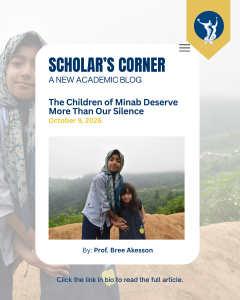
By: Prof. Bree Akesson Most children in Iran are back in their classrooms. But in Minab, a city in the country’s south, students gather only briefly at a new school building to hear the first
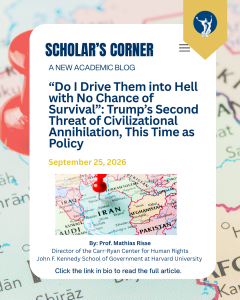
Re-published from the Harvard-Kennedy School with Permission from the Author September 25, 2026, By Mathias Risse, Harvard University 1. September 22, 2026, a Second Date On September 22, 2026, the President of the United States

By: Mireille Rebeiz, PhD, SJD Israel and Lebanon have a long history of armed conflicts and mutual hostility. The establishment of the state of Israel in 1948 led to the dispossession and displacement of over

By: Rachel Killean and Maria Elander Introduction How did victims matter at the Extraordinary Chambers in the Courts of Cambodia (ECCC)? As a hybrid tribunal sitting in the country where the Khmer Rouge’s atrocities occurred,
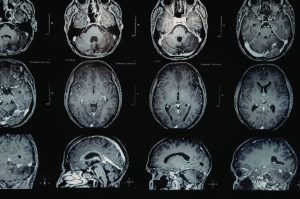
By: Dr. Sabah Carrim Defense attorneys often resort to any evidence that may favor their client. Over the last three decades, neuroscientific evidence has increasingly been introduced in courts internationally, particularly in the United States
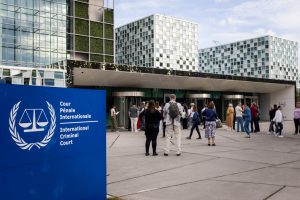
Somewhat out of the blue, on 13 July 2026, Secretary of State Rubio announced a ‘sweeping campaign’ to ‘dismantle’ the International Criminal Court. The State Department press release referred to a ‘whole-of-government response to systematically
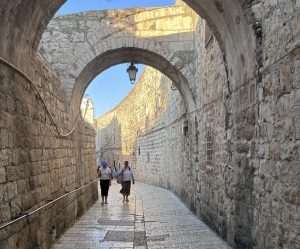
Interviewer: Greg Sarkissian, President of the Zoryan Institute Interview Conducted on July 14, 2026 Zoryan: Prof. Der Matossian, thank you very much for agreeing to speak with the Institute today from Jerusalem to provide some
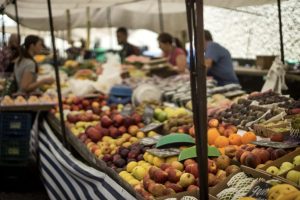
By: Dr. Setrag Hovsepian Food security refers to reliable access to sufficient, safe, and nutritious food. While teaching a course on the Middle East, I introduced this concept through food insecurity, drawing on a recent

By: Dr. Öndercan Muti When the Past Doesn’t Stay in the Past: Turkey’s ICJ Move Between Principle and Hypocrisy Turkey’s intervention in South Africa’s genocide case against Israel at the International Court of Justice (ICJ)
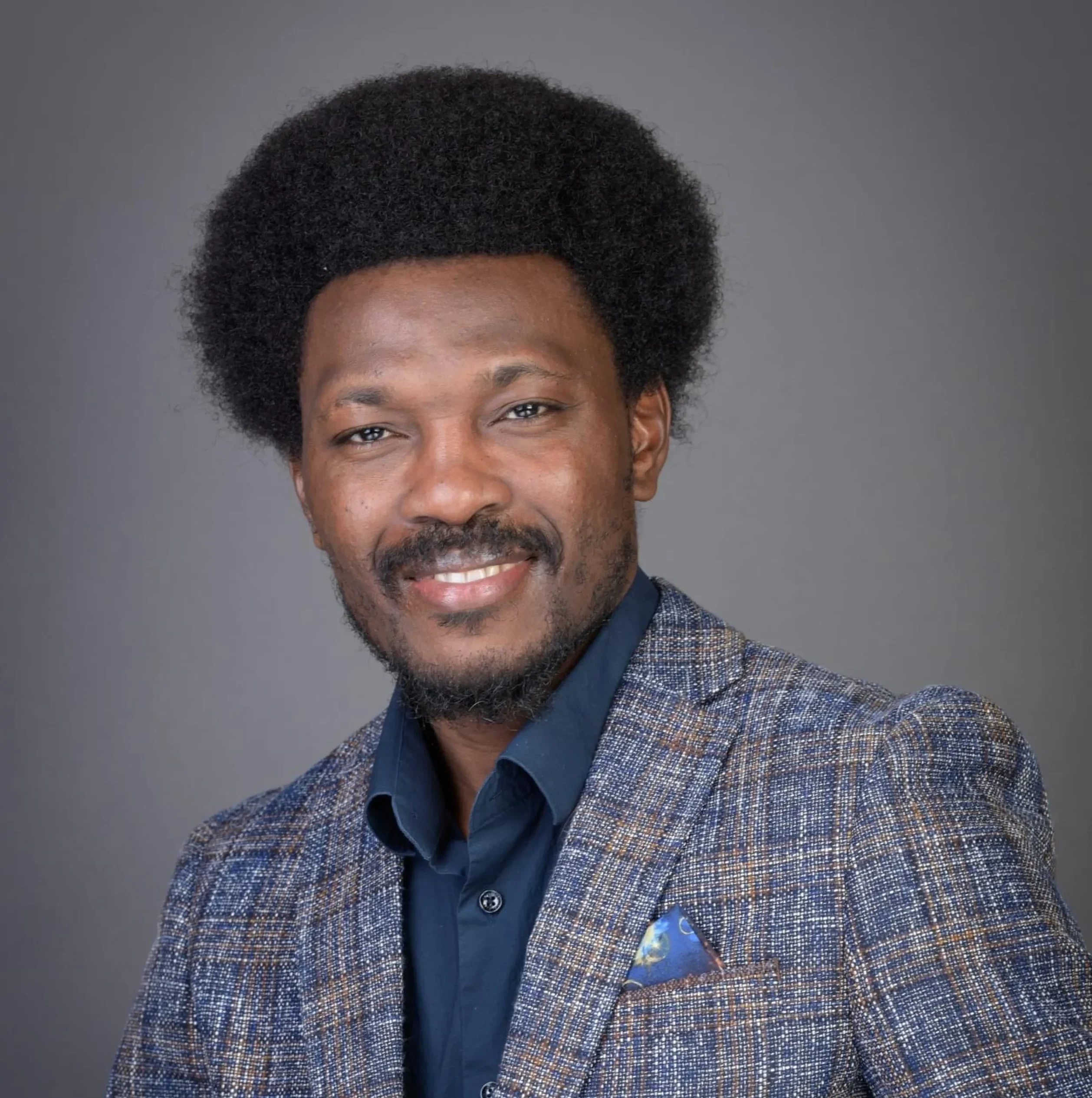
Taiwo Bello is an Assistant Professor of African History and an affiliate faculty member in Africana Studies at Oklahoma State University. His research focuses on gender and women’s history, genocide, war, and violence, global Black diaspora history, the history of crime and punishment, and transnational history. He has published widely on the above themes in specialist, multidisciplinary, and area studies journals, including War and Society, The International History Review, the Journal of World History, Gender & History, Africa Today, Journal of Globalization Studies, Canadian Journal of African Studies, War in History, The Journal of Global South Studies, The Canadian Historical Review (CHR), and Journal of History.
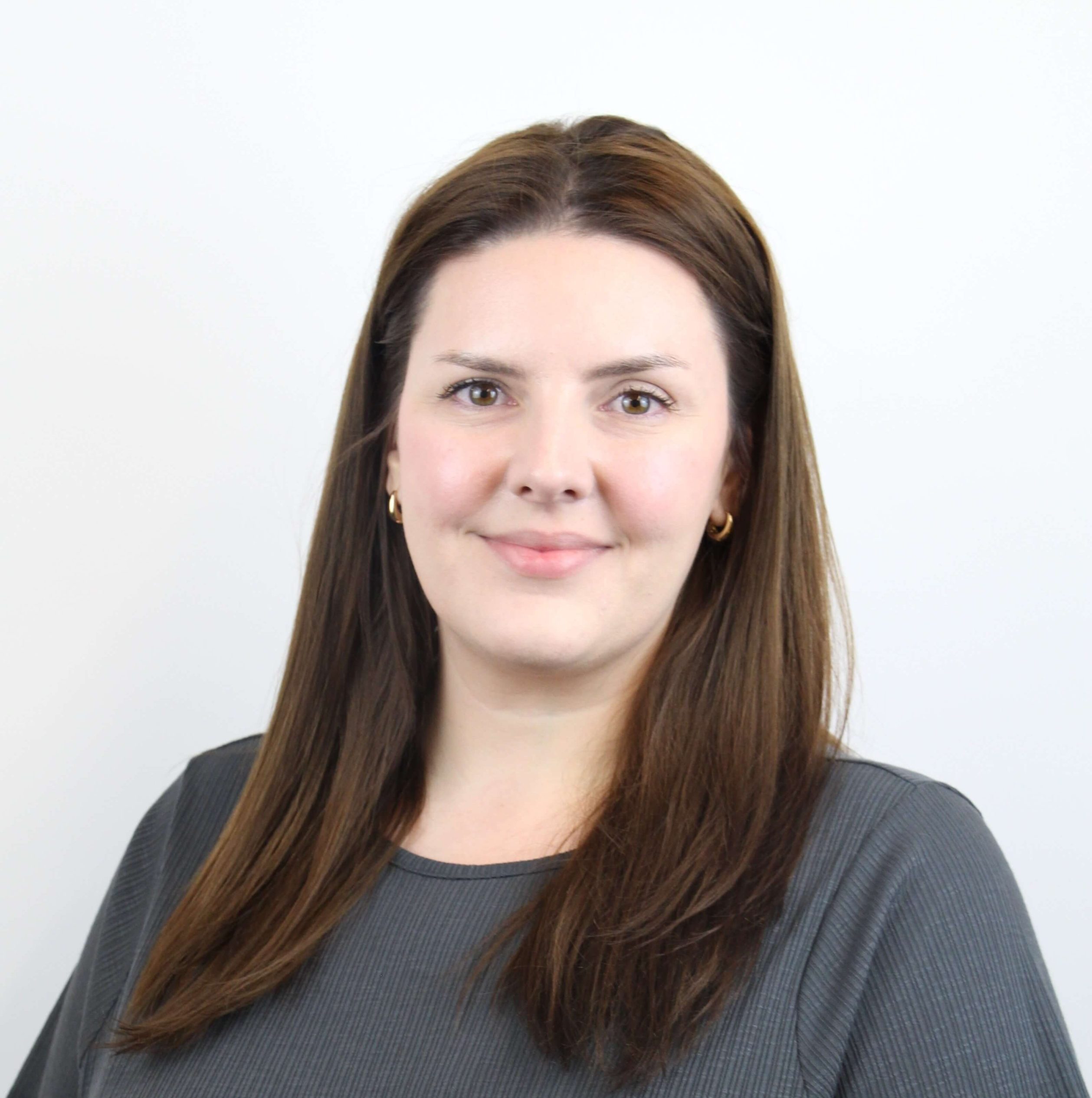
Alison MacAulay is a postdoctoral fellow in Historical Studies. Her research focuses on the intersections of history, research methods, and visual culture. Alison’s doctoral research (Filming History: Visual Representations of Rwanda, 1916-2014) focused on this topic in the Rwandan context, and was awarded the 2023 Finlayson Gold Medal and the Canadian Historical Association’s 2023 John Bullen prize for the top dissertation in Canada. Alison’s current research deals with creative research practices, archives, and film as a way to grapple with difficult histories.
Dr. Athena Madan (University of Toronto, 2014) is an Assistant Professor in Social Medicine at the University of Victoria. Her expertise includes healthcare reconstruction in post-conflict and fragile states, therapeutic governance, genocide and human rights, humanitarian intervention, child soldiers, the militarisation of aid, health and war, and election observation. Specific countries of expertise include Afghanistan, Bangladesh, Colombia, the Democratic Republic of Congo, South Africa, and Viet Nam. She has worked with Doctors Without Borders, the Carter Center, the UNHCR, the WHO, grassroots NGOs, and provided anti-racist subject matter expertise to provincial governments in Canada. She has also served as an election observer in the DRC and Ukraine.
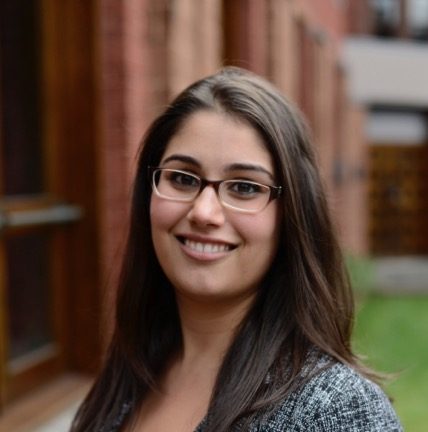
Neekoo Collett is a doctoral candidate in political science at the University of Toronto, where her research examines the repression of minorities in autocratic states. Her research has been funded by the Social Sciences and Humanities Research Council of Canada at both the Master's and Doctoral level, and recognized with a Doctoral Fellowship at the Trudeau Centre for Peace, Conflict, and Justice.
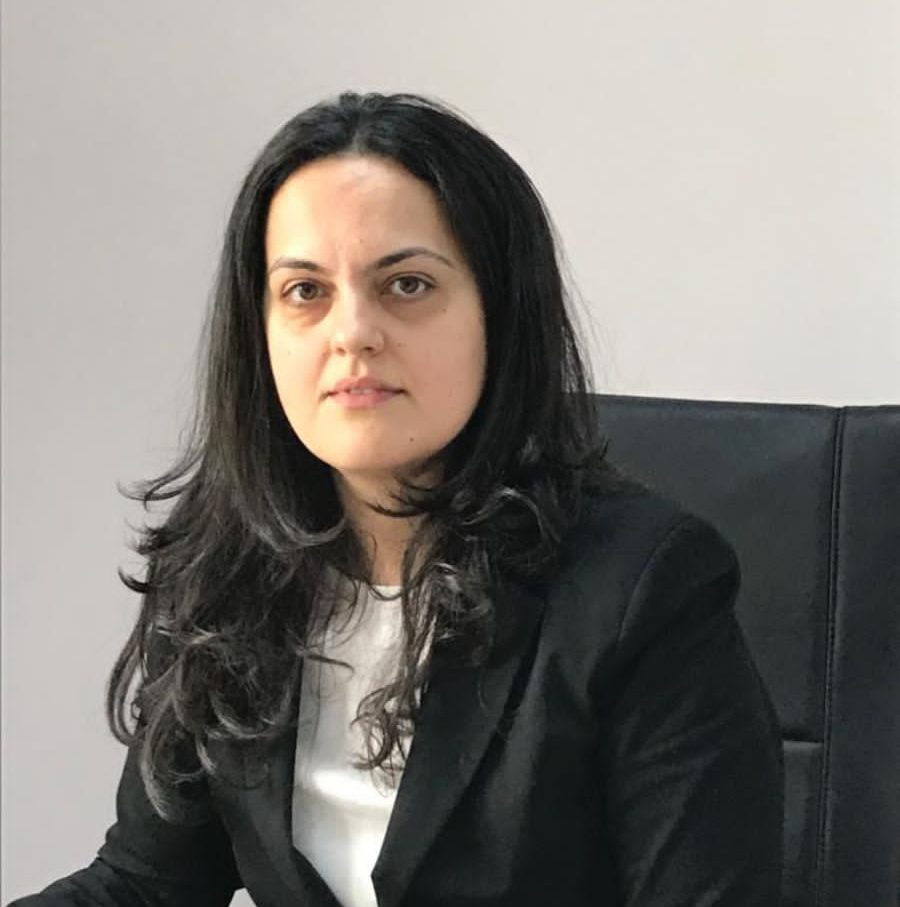
Dr. Edita Gzoyan is the Director of the Armenian Genocide Museum-Institute Foundation in Yerevan. Her research focuses on the legal aspects of the Armenian Genocide, the history of the First Republic of Armenia and scientometrics, and she has published widely in these fields.
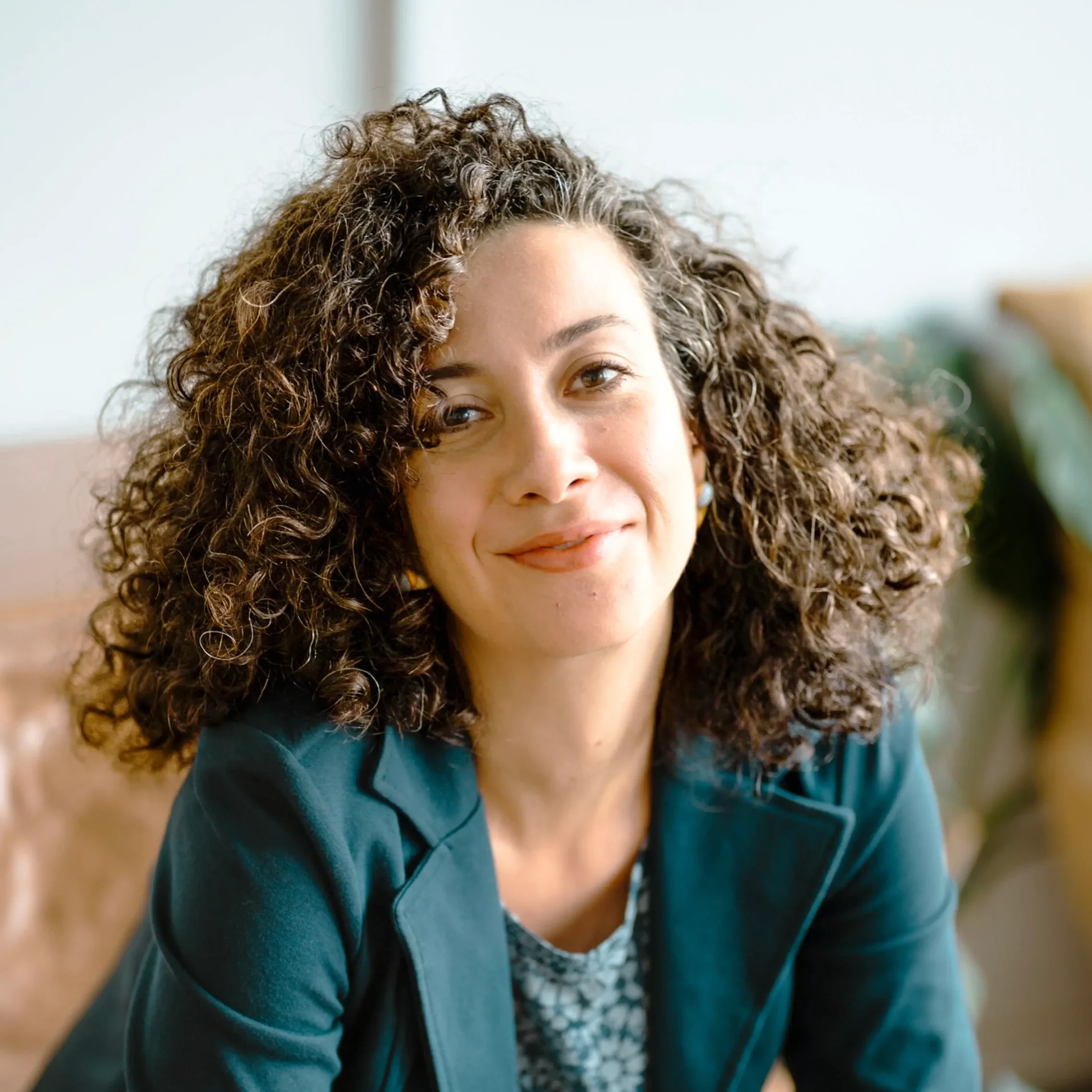
Hazal Halavut is a LA&PS Postdoctoral Fellow at York University. She received her PhD from the Women and Gender Studies Institute at the University of Toronto. Her research explores how perpetrators of mass violence live with their history, focusing on the psychic and cultural forms of denial and disavowal that allow violence and its legacies to persist, with particular attention to the Armenian Genocide in Turkey.