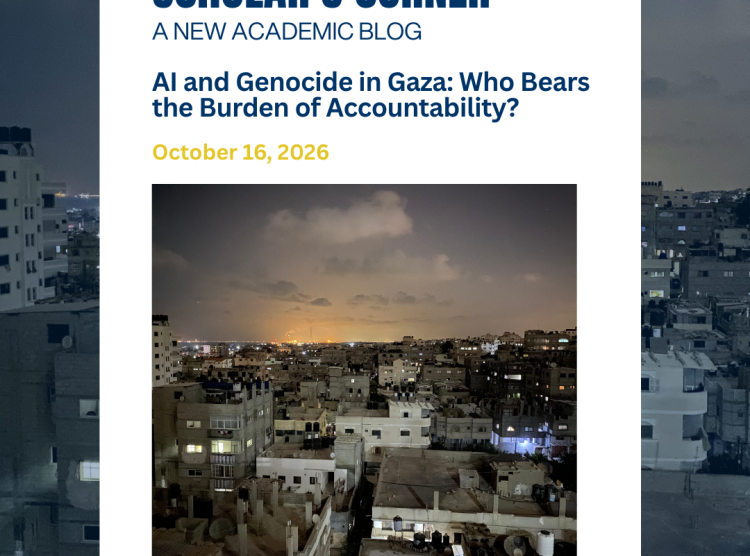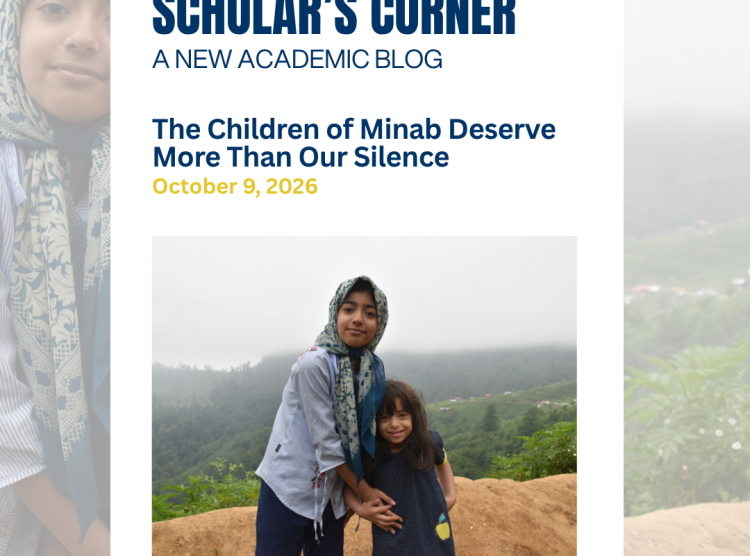
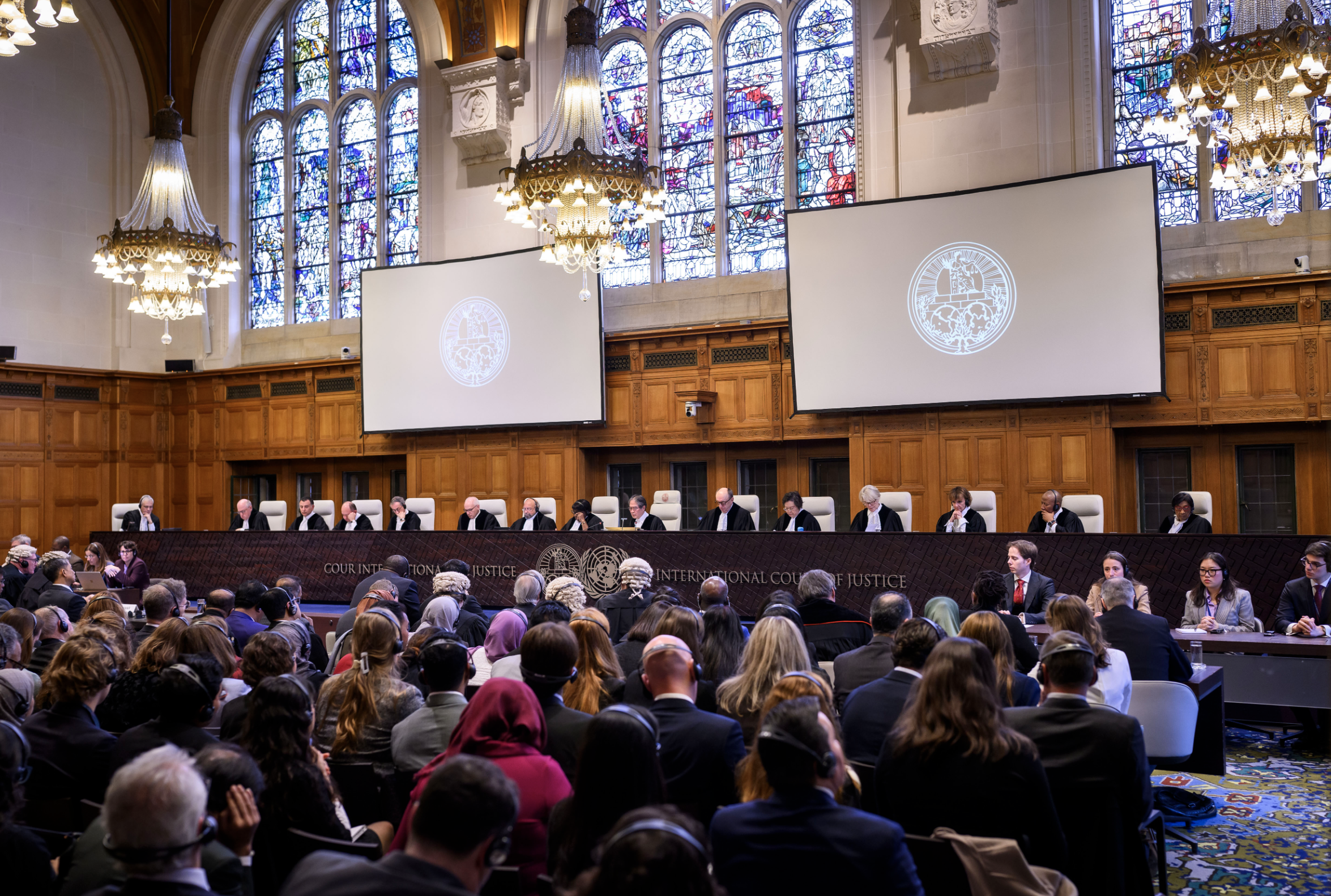
November 24, 2026: Last week, the International Court of Justice delivered its landmark judgment in the Gambia v. Myanmar case. In it, the Court held, for the first time since the Genocide Convention entered into force in 1951, that a State had breached the Convention through the commission of genocide. Reflecting on this historic ruling is ZI Academic Board Member and renowned international criminal lawyer, Prof. William Schabas.
In a new article for Scholar’s Corner titled “Rebooting the Definition of Genocide,” Prof. Schabas explains that the International Court of Justice (ICJ) has strengthened the definition and proof of genocide by introducing a broader approach to identifying genocidal intent. The article emphasizes that countries must take action to prevent genocide when there is a serious risk, rather than waiting until genocide has actually occurred. It also highlights the importance of international cooperation, justice, and accountability in protecting vulnerable populations.
Taken together, Prof. Schabas contend this development will have significant implications for pending cases, notably those of Nicaragua v. Germany and South Africa v. Israel. It should be noted that this resolution was supported by Canada, among other countries, to broaden the interpretation of the Genocide Convention.
Read the full article on Scholar’s Corner by clicking here.
____________________________________________________________________
About the Author:
 William A. Schabas is professor of international law at Middlesex University in London, emeritus professor at Leiden University and the University of Galway, distinguished visiting faculty at the Paris School of International Affairs. Read more about Prof. Schabas on Scholar’s Corner.