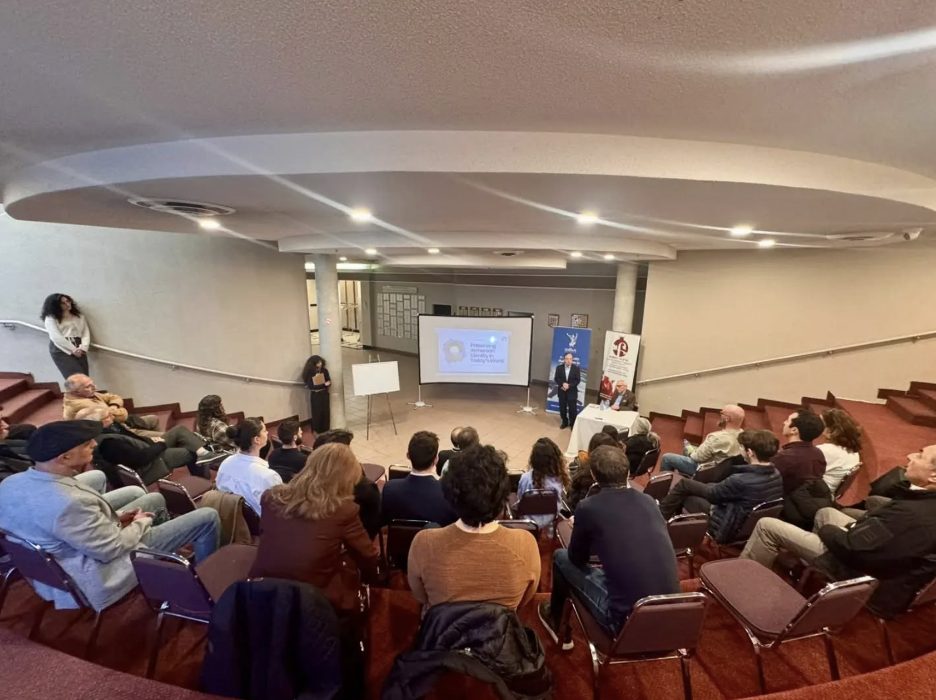
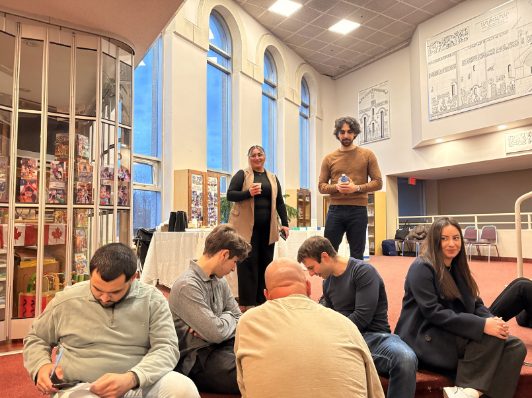
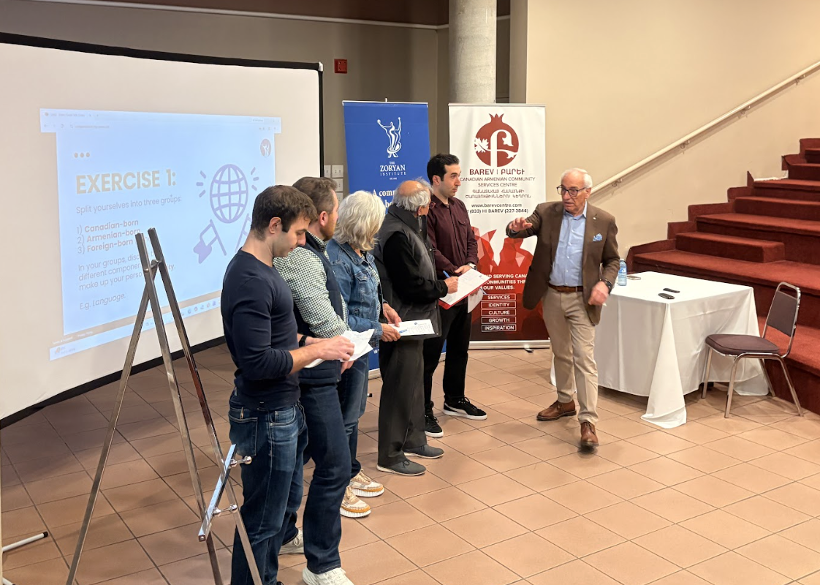
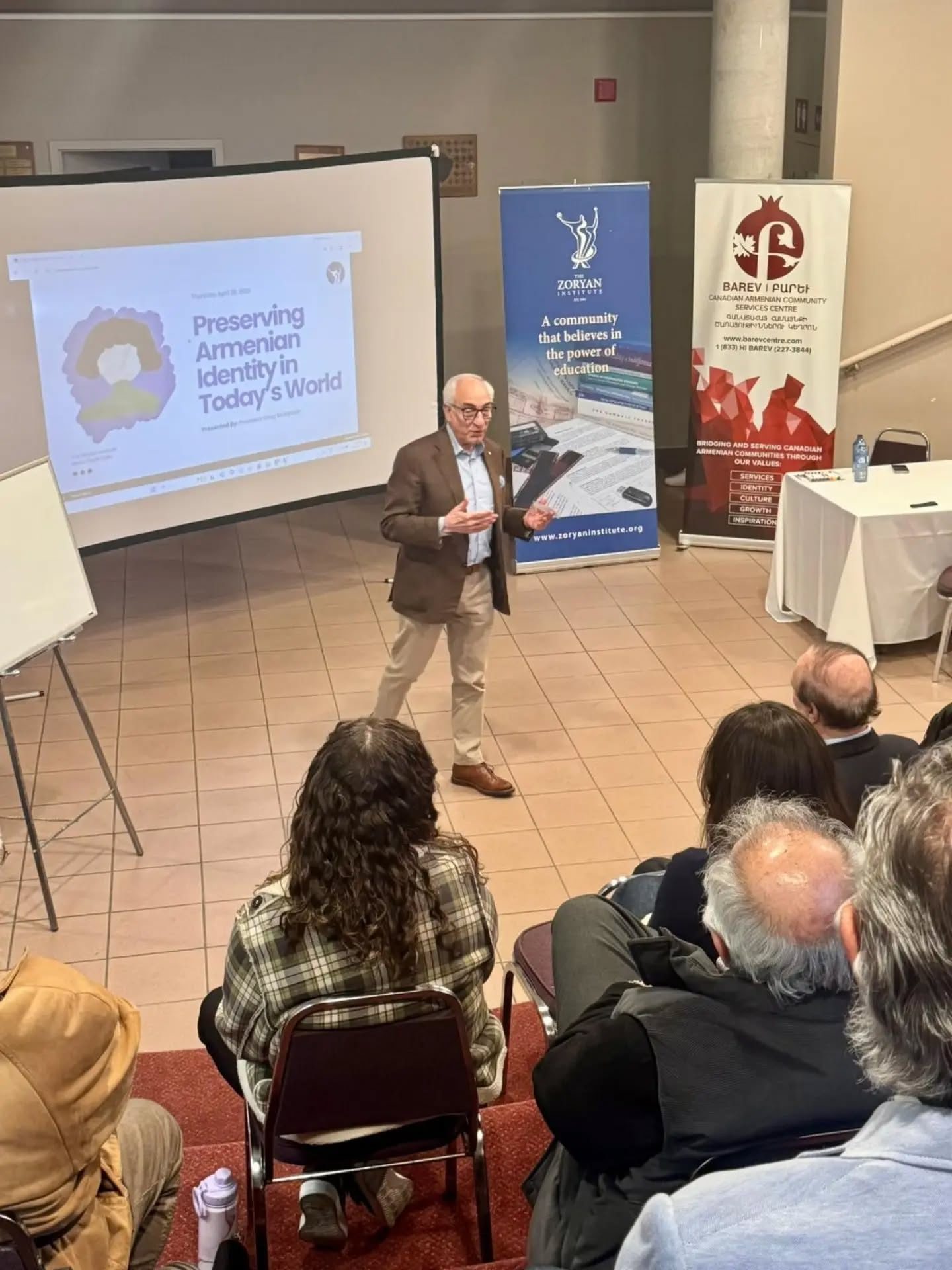
TORONTO, May 4, 2026: On April 30, 2026, the Zoryan Institute was invited to lead a special session at the Barev Youth Centre exploring identity. The community event was sponsored by the Holy Trinity Armenian Church and was facilitated by Zoryan Institute representatives, who guided participants in a collective reflection on a question that continues to resonate with younger generations: how can Armenian identity be preserved in today’s world?
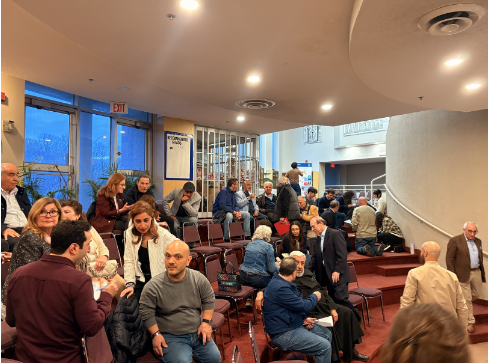
The session brought together a mix of community members, with many young people in attendance. The seminar was led by the Institute’s President, K. M. Greg Sarkissian and Program Assistant, Semhale Tsehaye, who guided what became a thoughtful and open discussion on the forces and factors that influence Armenian identity.
The questions raised included “What are the components of your personal identity as someone born in Canada, in Armenia or outside Canada and Armenia? In order to preserve Armenian identity, what are the components of Armenian culture? How do personal identity and collective cultural identity intersect?”
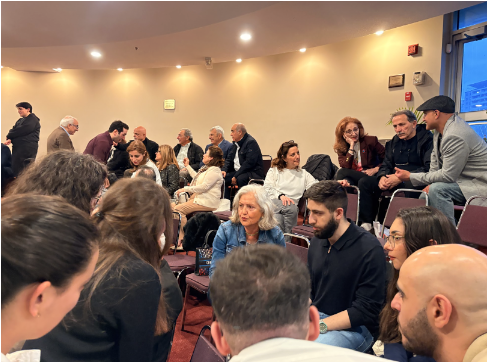
Participants discussed these questions in groups before revealing to the larger audience what components they believed defined their identity. Some of these components included language, history, age, and ethnicity, but one that came up in both cultural and individual identity was religion and the role of the Church. For some in the room, religion and identity were closely tied, and the Armenian Church was described as being the sole bastion for preserving collective Armenian identity. This idea was challenged by other participants who noted that, historically, Armenians maintained a strong sense of identity even before adopting Christianity. In fact, for centuries, Armenians preserved their identity while still sharing the same religion of Zoroastrianism with the then-Persian empire, including Armenia as a vessel state.
At this point, the discussion took a broader turn to the question: Is religion really the only bastion for preserving identity? Greg Sarkissian then turned to a comparison of world religions, vis-à-vis the identity of other nations, specifically using the examples of Islam, Judaism, and Christianity. For each religion, they discussed how the tradition connects to covenant, land, and language.
All three traditions share the idea of covenant, but they differ in how they each impact collective identity. For example, in Islam, Arabic holds a central place as the language of faith, and Mecca and Medina serve as key sacred sites for every Muslim to complete a pilgrimage once in their lifetime. In Judaism, Hebrew and the land of Israel are deeply tied to the covenant and the ethno-religious identity of Jewish people, which naturally reinforces continuity across generations. Christianity, however, does not have a specific language and there is no geographic land for them to identify themselves with other than a spiritual “Kingdom of God.” This led to a wider reflection that Christianity functions in a universal way, that doesn’t necessarily deliver a strong sense of peoplehood or collective ethno-centric identity.
Conclusion
By the end of the session, participants came to the conclusion that Armenian identity today is not monolithic, and that its preservation is a personal choice. Preserving Armenian identity in the diaspora depends on the willingness of individuals and organizations to choose for themselves how to stay connected to different facets of Armenian culture.
The Zoryan Institute’s participation in this session of Barev Youth Talks reflected its ongoing commitment to engaging younger generations in dialogue on identity and belonging for diasporic communities.
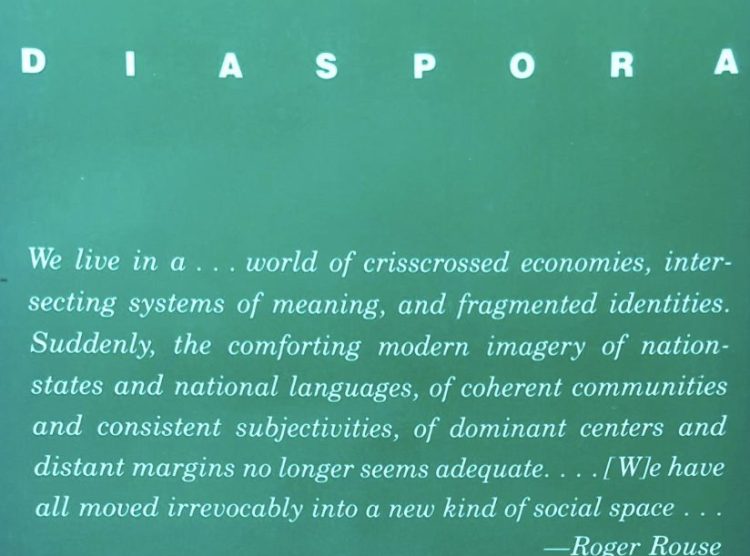
To engage with the Institute’s work on diaspora studies, we encourage you to listen to its podcast Dispersion, which navigates identity, home and belonging through storytelling. This podcast, now in its fourth season, is available on all major streaming platforms. You can also explore related articles in our academic journal, Diaspora: A Journal of Transnational Studies, published in partnership with the University of Toronto Press and available on the UTP website here.
If you’re interested in hosting a conversation like this with your own group or organization at a community level, please contact the Zoryan Institute at zoryan@zoryaninstitute.org.