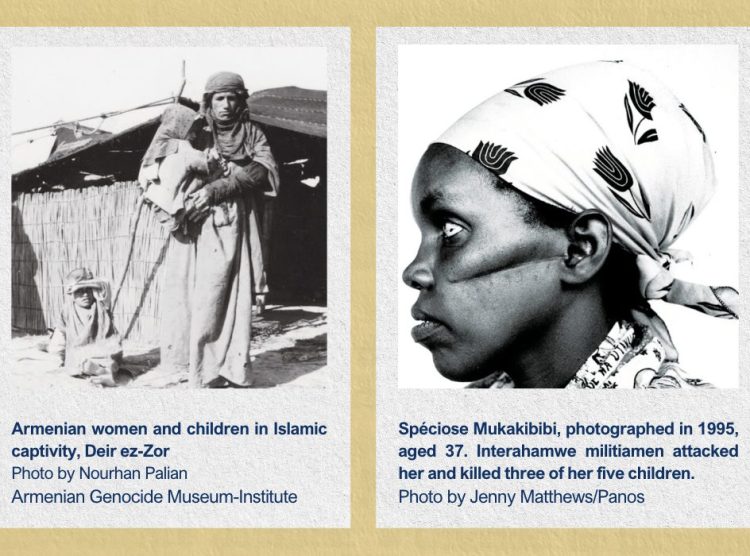
April is internationally recognized as Genocide Awareness Month, as the month encompasses several key commemorative dates for several genocides, most notably the Holocaust, the Rwandan Genocide, and the Armenian Genocide:
- Yom HaShoah, observed on April 9th, commemorates the six million Jews murdered during the Holocaust and honours the resilience of survivors.
- The International Day of Reflection on the Genocide in Rwanda, held on April 7th, marks the beginning of the 1994 genocide against the Tutsi, during which an estimated 800,000 people were systematically killed in the span of one hundred days.
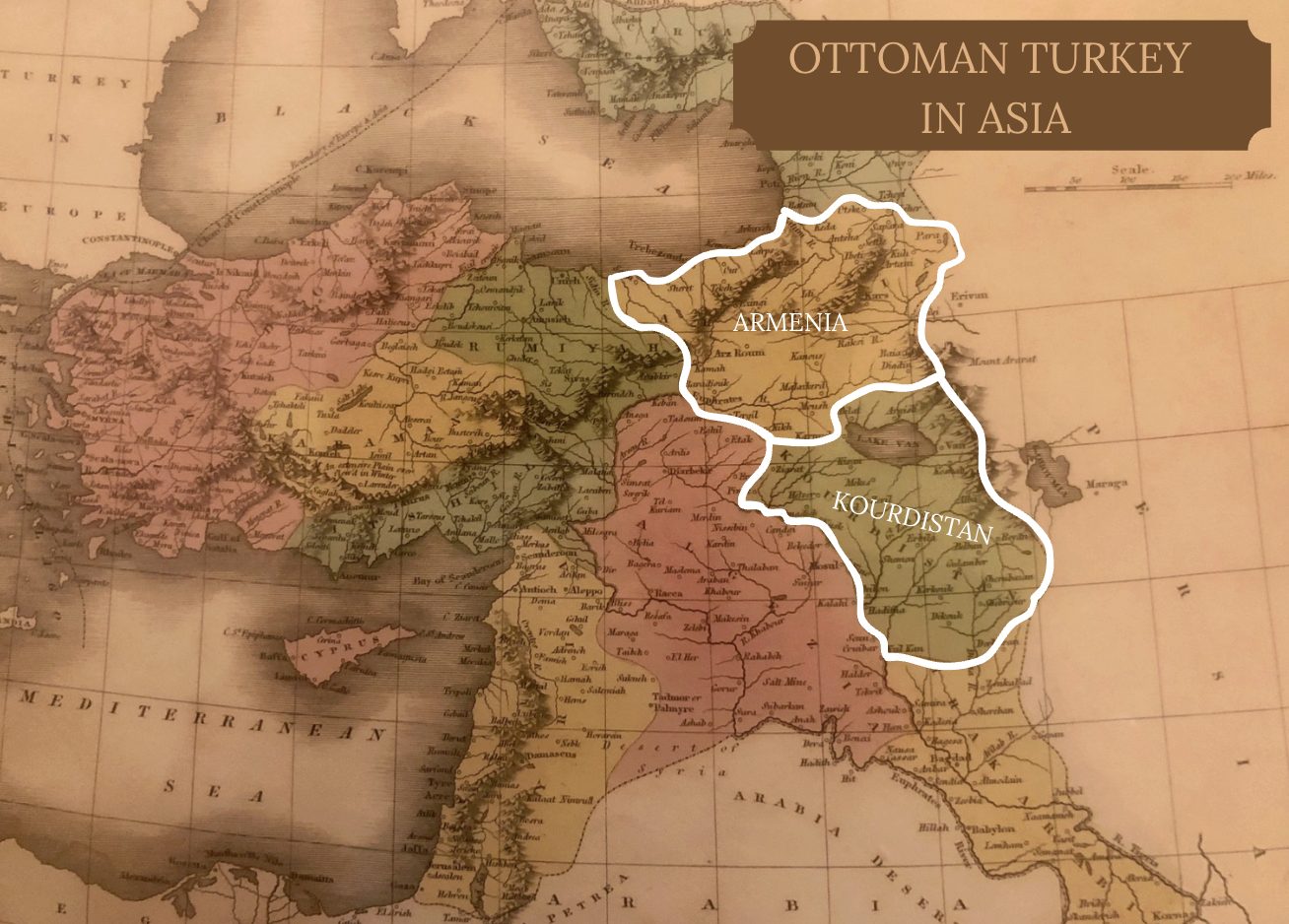
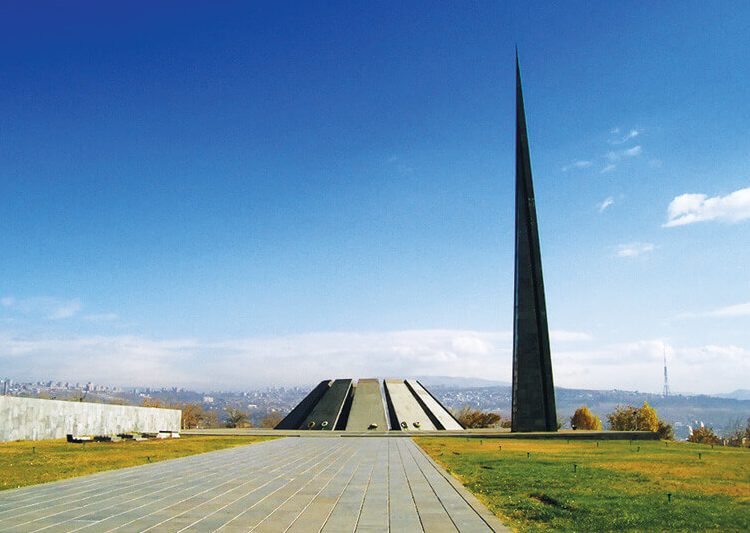
- Armenian Genocide Memorial Day, observed on April 24th, commemorates the mass forced deportations from their ancestral homelands and the killings of approximately 1.5 million Armenians in Anatolia (modern-day Turkey) beginning in 1915. Besides being identified as a crime against humanity by global superpowers then (England, France and Russia), it has widely been recognized as the first act of genocide of the twentieth century as defined by Raphael Lemkin, marking one of the first instances in which a state systematically turned against its own citizens. Including Armenians, the Ottoman state killed and deported an estimated 4.5 million non-Muslim Ottoman citizens in Anatolia, which primarily consisted of Greeks and Assyrians, between 1915 and 1923.
Taken together, these commemorations call not only for remembrance, but they also create an opportunity for educational efforts that consider the conditions under which such violence emerges.
During the month of April, the Zoryan Institute is launching a month-long series titled “Ottoman Multiculturalism” Through the Armenian Experience: A Case for Understanding the Multicultural Strength and Institutional Fragility of the Ottoman Empire. What this project will refer to as “Ottoman Multiculturalism” is a system of non-territorial autonomy that organized diverse religious communities into separate, self-governing units under their own laws and leaders, while ensuring overall imperial control. However, it should be noted that the distinct difference between “Ottoman Multiculturalism” and modern multiculturalism is that the former was based on group rights, not individual rights, as we are accustomed to and was based on a hierarchical, non-equitable structure that placed Muslims at the top. Through this initiative, the Institute is taking a closer look at the historical dynamics of multicultural governance, using the Ottoman Empire as a laboratory for understanding both the promise and the fragility of plural societies.